Choosing the right rehabilitation provider requires evaluating clinical expertise, accreditation, therapy options, family involvement, and long-term support services. A trusted brain injury rehabilitation center in Kansas City should offer individualized treatment plans, measurable recovery goals, qualified specialists, and accessible care options that support each person’s physical, cognitive, emotional, and functional recovery.
What Should You Consider When Choosing a Brain Injury Rehabilitation Center?
Selecting a rehabilitation facility after a brain injury is an important decision that can influence recovery outcomes. Families should review several factors before choosing a center, including medical oversight, therapy programs, residential options, and community support.
A comprehensive evaluation checklist can help families compare providers based on essential criteria:
- Accreditation and credentials: Verify whether the facility follows recognized rehabilitation standards and employs licensed healthcare professionals.
- Therapy intensity: Ask about daily therapy hours, treatment frequency, and personalized rehabilitation goals.
- Post-acute care options: Review whether the center provides continued support after initial rehabilitation.
- Accessibility: Consider location, transportation options, and availability of family participation in Kansas.
- Specialized experience: Look for providers experienced in treating traumatic and acquired brain injuries.
A qualified brain injury rehabilitation center should focus on rebuilding independence through structured care rather than offering a one-size-fits-all approach. Research shows that early, consistent rehabilitation can improve functional outcomes for many individuals recovering from neurological injuries.
How Do You Evaluate Therapy Programs After a Brain Injury?
A strong rehabilitation program should address multiple areas affected by brain injuries. Recovery often requires coordinated support from different specialists working together toward shared goals.
Common therapy services may include:
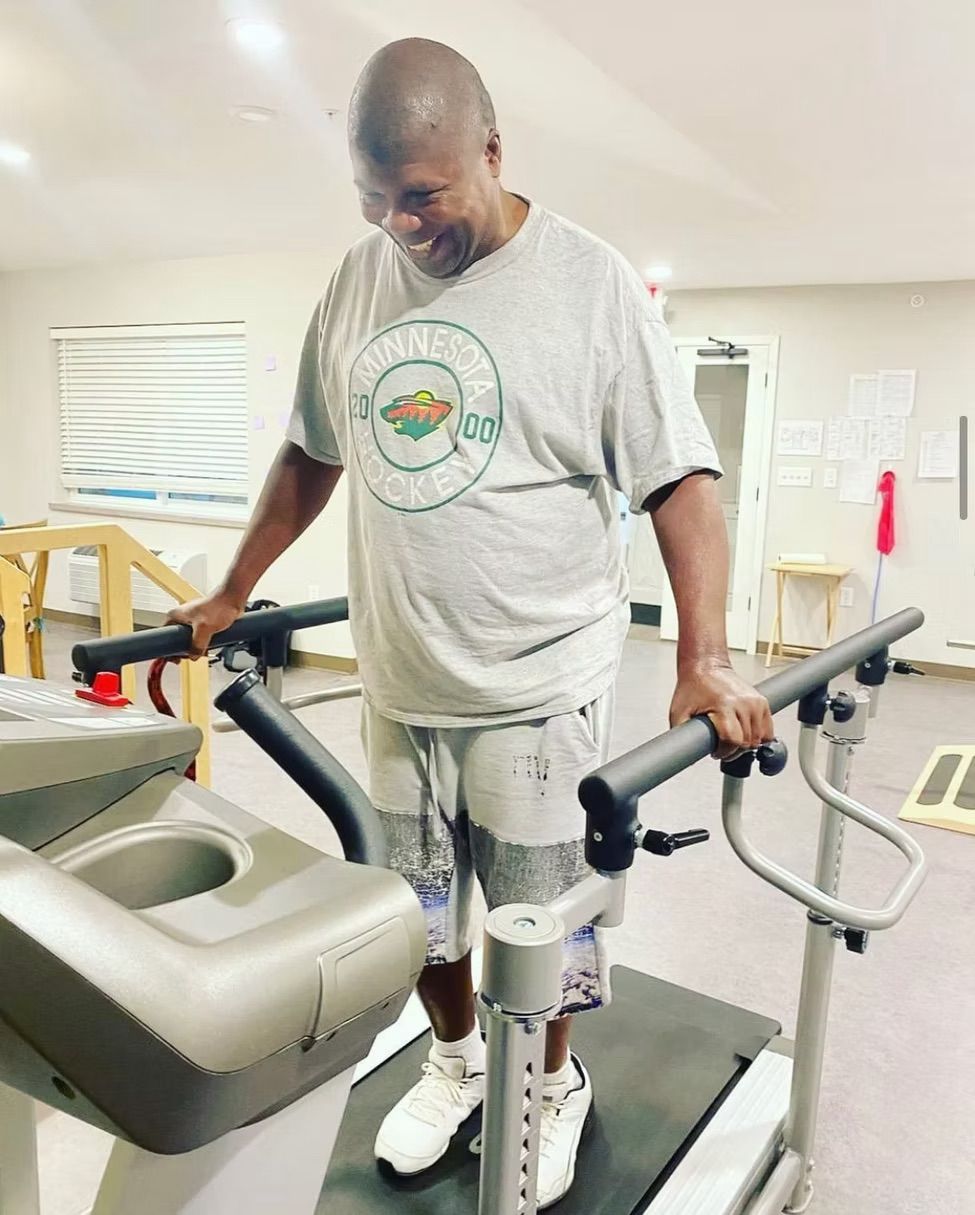
- Physical therapy: Helps improve mobility, balance, strength, coordination, and endurance.
- Occupational therapy: Supports daily living skills, independence, and returning to meaningful activities.
- Speech and cognitive therapy: Addresses communication challenges, memory concerns, problem-solving abilities, and attention skills.
- Behavioral support: Helps individuals manage emotional changes and adjustment challenges following injury.
The right brain injury program should provide structured treatment plans based on each person’s abilities, challenges, and recovery objectives. According to rehabilitation research, multidisciplinary programs that combine physical, cognitive, and emotional support can help individuals achieve better long-term independence.
Types of Care Settings Available for Brain Injury Recovery
Brain injury rehabilitation can take place in different environments depending on the individual’s medical needs, independence level, and recovery stage. Understanding available care settings helps families make informed choices.
Common options include:
- Hospital-based rehabilitation: Designed for individuals who need intensive medical monitoring and immediate post-injury care.
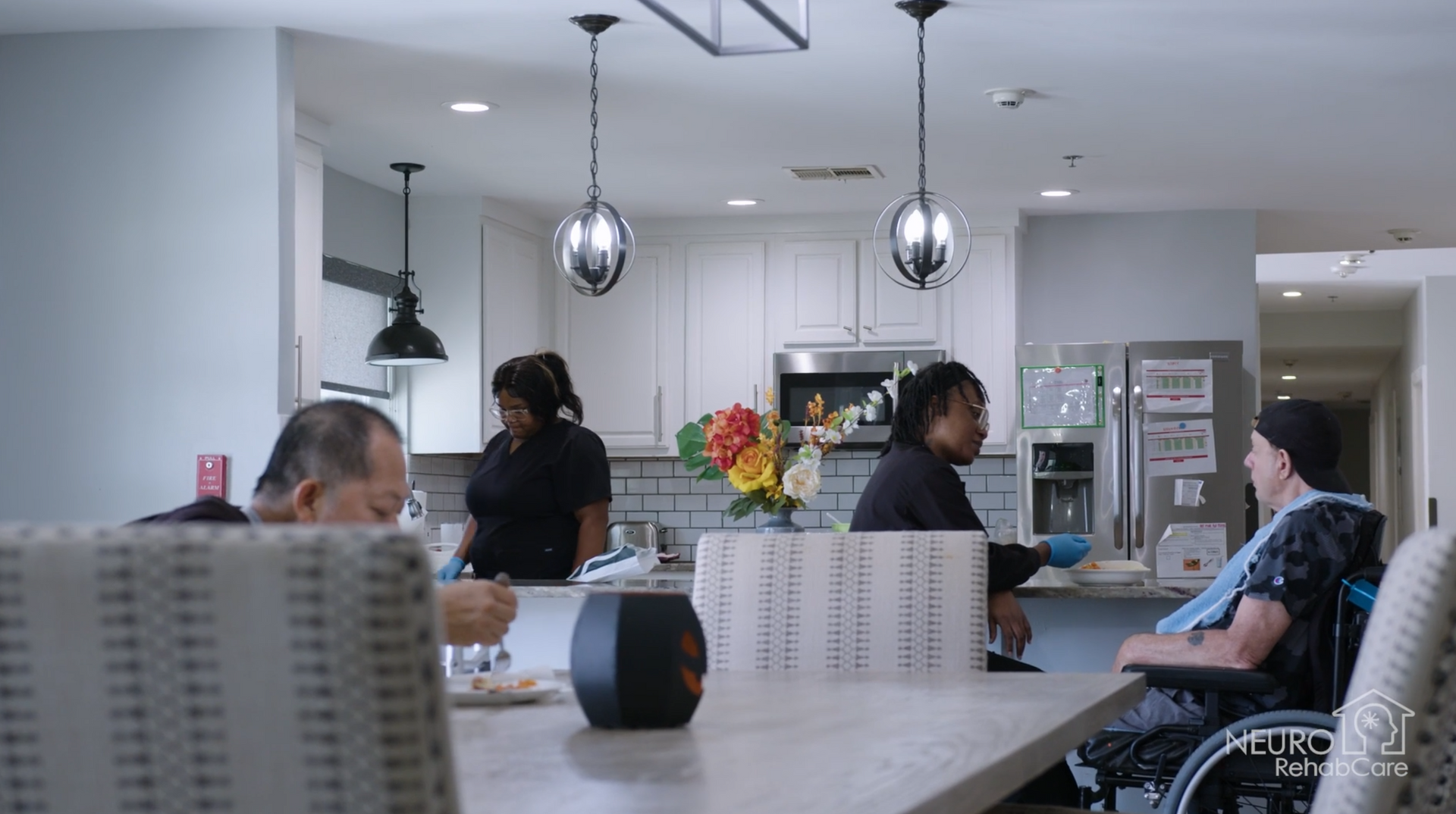
- Residential rehabilitation: Provides a structured living environment where individuals can practice daily skills while receiving ongoing therapy.
- Outpatient rehabilitation: Allows individuals to continue therapy while living at home.
- Community-based support programs: Help individuals transition back into everyday routines.
A residential setting can provide a more personalized experience by combining rehabilitation services with daily living practice. Many families prefer environments that encourage independence while maintaining professional support.
Home-Like Residential Rehab Center Compared to a Hospital Facility
The best setting depends on the person’s recovery needs. Hospital-based facilities often focus on intensive medical stabilization, while residential rehabilitation centers may emphasize functional skills, independence, and community reintegration.
Key differences include:
- Medical needs: Hospitals may be better suited for complex medical conditions requiring constant monitoring.
- Daily independence training: Residential programs often focus on practical skills such as cooking, communication, scheduling, and personal care.
- Environment: Home-like settings may create opportunities for individuals to practice real-life activities in a comfortable environment.
- Long-term transition planning: Residential programs may provide additional support for returning to home, work, or community activities.
Families should discuss care recommendations with rehabilitation professionals to determine the most appropriate option.
Family Involvement Is Important During Brain Injury Rehabilitation
Family participation plays a major role in successful recovery. Loved ones often provide encouragement, help reinforce therapy strategies, and assist with transition planning.
Family involvement may include:
- Participating in therapy education sessions.
- Learning communication and behavior support techniques.
- Understanding safety recommendations.
- Preparing the home environment for a successful transition.
A collaborative approach helps families better understand recovery expectations and provide meaningful support throughout the rehabilitation journey.
What Questions Should You Ask During a Rehabilitation Center Tour?
A site visit allows families to evaluate whether a facility matches their expectations. Asking detailed questions can provide valuable insight into the quality of care.
Important questions include:
- What types of brain injuries does the facility commonly treat?
- How are individualized treatment goals created?
- How frequently are therapy plans reviewed?
- What qualifications do therapists and care providers have?
- How are families included in recovery planning?
- What transition support is available after completing rehabilitation?
A tour should also allow families to observe the environment, meet care team members, and understand how daily routines support recovery.
How Long Does Brain Injury Rehabilitation Usually Take?
Recovery timelines vary depending on injury severity, medical history, age, overall health, and rehabilitation goals. Some individuals may require several weeks of intensive therapy, while others may benefit from months or longer-term support.
A personalized brain injury program evaluates progress regularly and adjusts treatment plans as abilities improve. Recovery is often measured through functional improvements, increased independence, communication skills, and quality-of-life goals rather than a fixed timeline.
What Is the Difference Between ABI and TBI?
An Acquired Brain Injury (ABI) occurs from internal causes such as stroke, oxygen deprivation, tumors, infections, or other medical conditions. A Traumatic Brain Injury (TBI) results from an external force, including falls, vehicle accidents, sports injuries, or physical impacts.
Both ABI and TBI can affect:
- Memory and concentration.
- Movement and coordination.
- Speech and communication.
- Emotional regulation.
- Independent living skills.
Understanding the type of injury helps rehabilitation specialists develop targeted treatment strategies.
Kansas Provides Financial Assistance for Brain Injury Rehabilitation
Kansas offers support programs that may help eligible individuals access rehabilitation and long-term care services. Available assistance can depend on factors such as disability status, income requirements, medical needs, and program eligibility.
Families should explore state resources, insurance benefits, and waiver programs when planning rehabilitation care. A knowledgeable admissions team can help explain available options and guide families through financial considerations.
How Can You Begin the Admissions Process?
Starting rehabilitation usually involves an evaluation of medical history, current abilities, therapy needs, and personal recovery goals. Families should gather medical records, discuss recommendations with healthcare providers, and contact rehabilitation specialists for guidance.
A thorough admissions process helps ensure the selected provider can offer appropriate care, personalized treatment, and ongoing support throughout recovery.
Choosing the right rehabilitation partner can make a meaningful difference in the recovery journey after a brain injury. With personalized treatment, compassionate support, and a commitment to helping individuals regain independence, Neuro RehabCare Kansas City provides specialized rehabilitation solutions designed around each person’s unique needs. Contact the team today to learn more about available programs and begin the path toward recovery.
Frequently Asked Questions
What qualifications and accreditations should I look for in a brain injury rehabilitation center in Kansas City, KS?
Look for licensed healthcare professionals, experienced therapists, structured treatment plans, and recognized rehabilitation standards. A qualified provider should demonstrate experience supporting individuals with cognitive, physical, behavioral, and emotional challenges related to brain injuries.
How does a home-like residential rehab center compare to a hospital-based facility in Kansas City, KS?
Residential rehabilitation focuses on independence, daily living skills, and community transition, while hospitals typically provide higher levels of medical monitoring. The appropriate setting depends on the individual’s condition and recovery requirements.
Does Kansas offer state waiver programs to help pay for brain injury rehabilitation?
Kansas provides assistance options for eligible individuals through various healthcare support programs. Families should review requirements and available benefits with rehabilitation providers and state resources.
How long does a typical brain injury rehabilitation program take?
The duration varies based on injury severity, recovery progress, and personal goals. Some programs last weeks, while others may continue for months to address long-term rehabilitation needs.
What should I look for during a site tour of a brain injury rehab center in Kansas City, KS?
Families should review facility cleanliness, staff experience, therapy spaces, safety features, daily routines, and opportunities for family involvement before making a decision.
What types of care settings are available in a comprehensive brain injury program in Kansas City, KS?
Care settings may include hospital rehabilitation, residential programs, outpatient therapy, and community-based services. The right option depends on medical needs, independence level, recovery stage, and long-term goals.
What role does the Brain Injury Program play in brain injury recovery?
A structured Brain Injury Program provides coordinated therapy, personalized goals, and ongoing progress evaluation. These programs help individuals improve functional abilities while developing strategies for greater independence.
How is the family involved during the brain injury rehabilitation process?
Families can participate through education, therapy discussions, home preparation planning, and learning strategies that support communication, safety, and independence after rehabilitation.
What is the difference between an Acquired Brain Injury (ABI) and a Traumatic Brain Injury (TBI)?
ABI results from internal medical causes, while TBI occurs from external trauma. Both conditions can affect physical abilities, cognition, emotions, and daily functioning.
How do I start the admissions process at Neuro RehabCare in Kansas City, KS?
Families can begin by contacting the rehabilitation provider, discussing care needs, sharing medical information, and scheduling an evaluation to determine the most suitable recovery plan.