Day treatment programs accelerate brain injury rehabilitation by providing structured, multidisciplinary therapy during the day while allowing individuals to return home each evening. This approach combines intensive rehabilitation, real-world practice, cognitive and behavioral support, family involvement, and greater independence without requiring overnight admission, helping patients bridge the gap between inpatient care and standard outpatient therapy.
Brain Injury Recovery Requires Structured Rehabilitation
A traumatic brain injury (TBI) can affect much more than physical movement. Depending on the location and severity of the injury, individuals may experience changes in memory, concentration, communication, balance, emotional regulation, problem-solving, and the ability to complete everyday activities.
The scale of TBI also makes access to effective rehabilitation important. CDC data show approximately 214,110 TBI-related hospitalizations occurred in the United States in 2020, representing more than 586 hospitalizations per day.
For individuals who no longer require round-the-clock inpatient supervision but still need consistent rehabilitation, brain injury rehab can include a day treatment approach. Day treatment creates a structured schedule while giving patients opportunities to practice rehabilitation strategies at home and in their community.
How Does Day Treatment Help Accelerate Brain Injury Recovery?
Recovery after a brain injury depends on factors such as injury severity, pre-injury health, access to specialized care, and the type of rehabilitation available. The CDC notes that rehabilitation can help people improve independence with daily tasks, relationships, and community participation.
A structured brain injury recovery program may support progress by providing repeated opportunities to learn, practice, and apply functional skills. Instead of receiving occasional therapy sessions separated by long intervals, patients can participate in coordinated daytime treatment based on their goals.
Potential benefits include:
- Regular opportunities to practice physical and cognitive skills
- Coordinated treatment across multiple rehabilitation disciplines
- Continued connection with family and home routines
- Opportunities to identify real-world difficulties between sessions
- Progressive preparation for greater community independence
- Support for returning to work, school, and meaningful daily activities
The objective is not simply to complete therapy exercises. Day treatment focuses on transferring therapeutic progress into everyday life.
Therapies May Be Part of a Day Treatment Program
Brain injuries affect people differently, which makes individualized rehabilitation essential. One patient may primarily need help with mobility and balance, while another may need extensive assistance with memory, communication, emotional regulation, or executive functioning.
A comprehensive brain injury rehab program may incorporate physical, occupational, and cognitive therapies according to individual needs. Neurorehabilitation services offered by Neuro RehabCare include physical, occupational, and cognitive therapies, while its broader programs also address neurobehavioral needs and vocational rehabilitation.
Treatment may focus on areas such as:
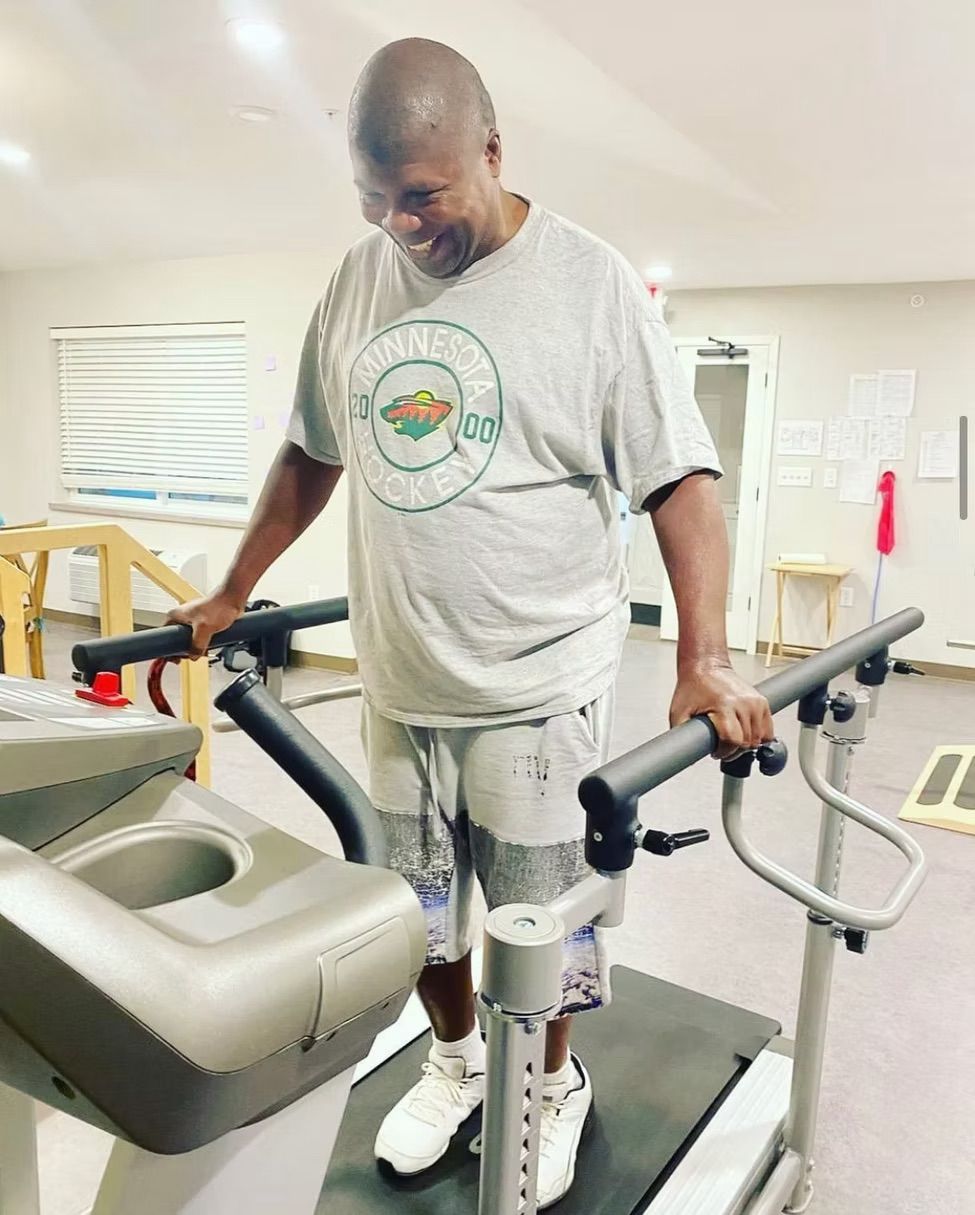
- Strength, mobility, balance, and coordination
- Dressing, meal preparation, and other daily activities
- Attention, memory, organization, and problem-solving
- Communication and social interaction
- Emotional and behavioral regulation
- Community participation
- Work-related and functional skills
A coordinated approach is particularly valuable because physical, cognitive, and behavioral challenges frequently overlap after a brain injury.
Why Does Returning Home Each Evening Matter?
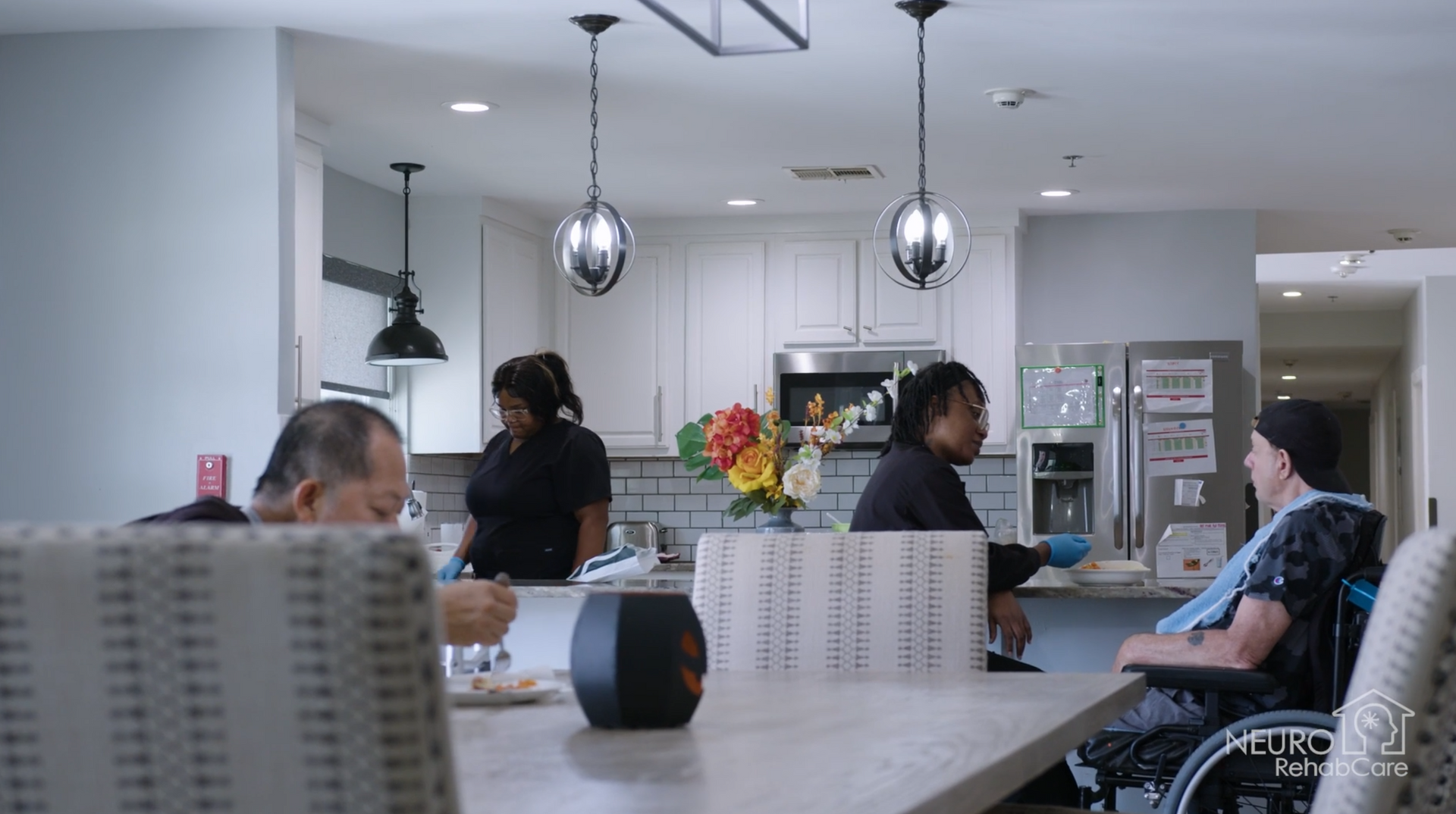
Living at home while attending treatment creates an important connection between clinical rehabilitation and everyday function. Patients can practice skills during treatment, use those strategies at home, identify difficulties, and discuss those challenges with the rehabilitation team during subsequent sessions.
Day treatment specifically provides structured daytime therapies while allowing patients to return home each evening. This structure can help individuals gradually rebuild independence without immediately removing professional rehabilitation support.
For example, occupational therapy may address planning and sequencing during a simulated household activity. The patient can then apply similar strategies while preparing a meal at home.
Challenges encountered at home provide meaningful information that can guide future therapy.
This practice-and-feedback cycle makes a brain injury recovery program in Kansas City relevant for individuals working toward practical independence rather than improvement only within a clinical environment.
Day Treatment Addresses Cognitive and Behavioral Changes
Brain injuries can produce changes that are less visible than physical limitations. Difficulties with attention, memory, judgment, emotional control, impulsivity, or problem-solving can significantly affect independence.
Cognitive rehabilitation can address practical strategies for remembering appointments, completing multistep tasks, organizing a schedule, managing distractions, and solving everyday problems. Behavioral and emotional support may help patients develop coping strategies and more adaptive responses to frustration or changes in routine.
The CDC emphasizes that moderate or severe TBI can have long-term consequences and may require ongoing care. Structured day treatment allows cognitive, physical, and behavioral needs to be addressed as interconnected parts of recovery.
Can Day Treatment Support a Return to Work or School?
Returning to work or school often requires more than physical recovery. Individuals may need sufficient attention, memory, stamina, communication ability, planning skills, and emotional regulation to manage complex responsibilities.
A brain injury rehab plan can incorporate functional goals connected with employment, education, and community participation. Therapy may help individuals practice following schedules, completing multistep activities, communicating appropriately, managing fatigue, and adapting to changing demands.
The CDC specifically identifies relearning skills and returning to work among areas in which specialized rehabilitation may help people recovering from moderate or severe TBI. Neuro RehabCare also offers a Return to Work program focused on vocational rehabilitation and practical workforce reentry skills.
What Role Do Families and Caregivers Play?
Families often see how a person functions outside the rehabilitation setting. Their observations can help identify difficulties with routines, communication, behavior, memory, safety, or independence that may not appear during a scheduled therapy session.
Family education can also help caregivers understand how to reinforce useful strategies without unnecessarily taking over tasks the patient may be capable of relearning.
A structured brain injury recovery program can therefore connect professional rehabilitation with everyday support. The goal is to help families encourage safe independence while understanding that brain injury recovery may evolve over weeks, months, or longer.
Take the Next Step Toward Greater Independence
Brain injury recovery is rarely a single event; it is a process of rebuilding physical, cognitive, behavioral, and everyday functional abilities. Day treatment can provide the structure of consistent rehabilitation while preserving the valuable experience of living at home and practicing skills in familiar surroundings.
For individuals and families exploring flexible, structured neurorehabilitation in Kansas City, KS, Neuro RehabCare Kansas City offers day treatment and specialized neurological rehabilitation designed around individual needs and functional goals. Contact the team today to discuss available services, the admissions process, and the next appropriate step toward greater independence.
Frequently Asked Questions
What is a day treatment program for brain injury rehabilitation?
A day treatment program provides structured rehabilitation services during daytime hours without requiring the patient to stay overnight. Patients participate in therapies based on individualized needs and return home after treatment.
How does a day treatment program accelerate recovery after a traumatic brain injury (TBI)?
Day treatment provides consistent therapeutic practice and coordinated rehabilitation while allowing patients to apply newly learned skills at home. The combination can strengthen the connection between clinical progress and everyday function.
Who is an ideal candidate for day treatment at Neuro RehabCare Kansas City?
Day treatment may be appropriate for individuals who require structured neurorehabilitation but do not need overnight residential care. Eligibility should be determined through an individualized assessment of medical stability, functional abilities, supervision needs, and rehabilitation goals.
What therapies are included in the day treatment program at Neuro RehabCare in Kansas City, KS?
Available neurorehabilitation services include physical, occupational, and cognitive therapies. Individual treatment recommendations depend on each person's injury, functional limitations, progress, and recovery objectives.
What is the difference between inpatient rehabilitation, day treatment, and standard outpatient therapy?
Inpatient rehabilitation includes overnight care and intensive supervision. Day treatment provides structured daytime rehabilitation while allowing patients to live at home. Standard outpatient therapy generally involves scheduled individual appointments and may be appropriate when less intensive support is needed.
How does living at home while attending day treatment improve real-world functional skills?
Living at home gives patients opportunities to apply therapy strategies to meals, household activities, schedules, communication, and community tasks. Real-life challenges can then be incorporated into future rehabilitation goals.
How does day treatment address cognitive and behavioral changes after a brain injury?
Treatment can address challenges involving memory, attention, problem-solving, emotional regulation, and behavior. Neurobehavioral programming can provide additional support when emotional or behavioral changes interfere with independence or community participation.
What role do families and caregivers play in the day treatment recovery process?
Families can provide observations about daily functioning, reinforce rehabilitation strategies, and support safe independence. Family involvement can also help treatment teams understand how recovery skills transfer into the home environment.
Can a day treatment program assist with returning to work or school in Kansas City?
Yes, when clinically appropriate. Rehabilitation can address functional skills needed for employment or education, including concentration, organization, communication, stamina, scheduling, and problem-solving. Return-to-work support may also include vocational rehabilitation.
How do I get started with the day treatment program at Neuro RehabCare Kansas City, KS?
The first step is to contact the admissions team to discuss rehabilitation needs, eligibility, insurance coverage, and available programs. Referrals may come from hospitals, physicians, or families, and the admissions process can include identifying the program that best matches the individual's needs.