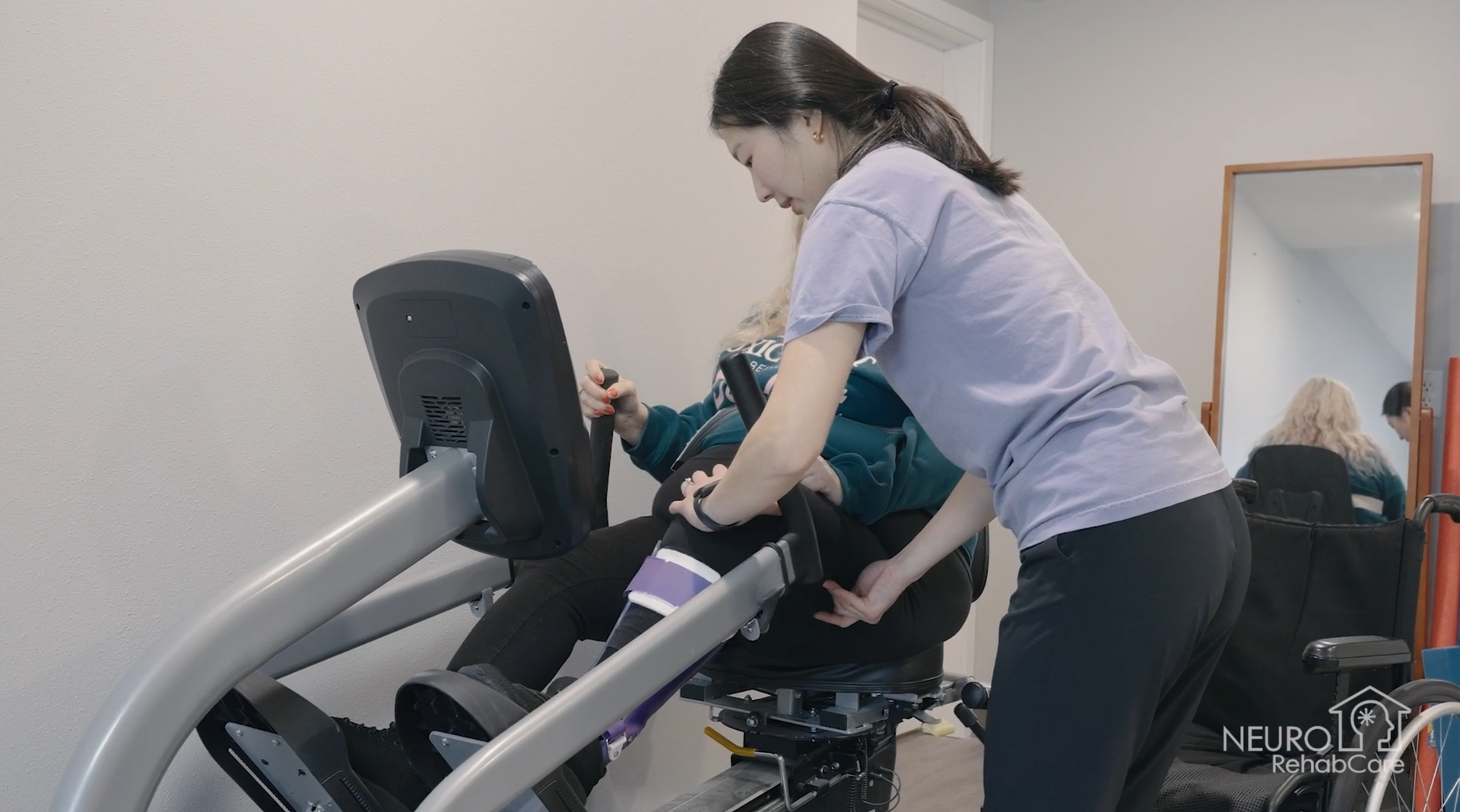
A Rehab Physician evaluates neurological conditions, develops personalized rehabilitation plans, coordinates multidisciplinary therapy, manages symptoms, monitors recovery milestones, and helps patients regain independence. Comprehensive neuro rehabilitation care combines medical expertise with physical, occupational, and speech therapy to maximize functional recovery after neurological injuries or disorders.
What Does a Rehab Physician Do During Neurological Rehabilitation?
What Does a Rehab Physician Do During Neurological Rehabilitation?
Recovery after a neurological injury involves much more than treating the original condition. A rehabilitation physician, also known as a physiatrist, focuses on restoring function, improving mobility, reducing disability, and helping patients return to meaningful daily activities.
A rehab physician carefully evaluates every patient's physical abilities, cognitive function, muscle strength, coordination, balance, communication, and pain levels before creating an individualized recovery strategy. Rather than treating only the diagnosis, rehabilitation medicine focuses on improving overall quality of life and maximizing long-term independence.
According to the Centers for Disease Control and Prevention (CDC), approximately 795,000 people experience a stroke every year in the United States, while traumatic brain injuries contribute to nearly 214,000 hospitalizations annually. Many of these individuals benefit from specialized rehabilitation programs designed to improve function and reduce long-term disability.
Specialized Rehab Physicians Guide the Recovery Process
Neurological recovery requires continuous assessment because healing patterns differ from person to person. A rehabilitation physician oversees every stage of progress and adjusts treatment as recovery evolves.
Key responsibilities include:
- Performing comprehensive neurological evaluations
- Identifying functional limitations
- Creating individualized rehabilitation goals
- Coordinating therapy schedules
- Managing medications and medical complications
- Treating muscle stiffness and spasticity
- Monitoring measurable recovery milestones
- Educating patients and caregivers
Specialized physicians also help prevent complications such as pressure injuries, falls, muscle contractures, chronic pain, and reduced mobility that may delay recovery.
Team-Based Approach Is Essential for Neuro Recovery
A comprehensive neuro rehabilitation care program may include:
- Rehabilitation physicians
- Physical therapists
- Occupational therapist
- Speech-language pathologist
- Neuropsychologist
- Rehabilitation nurse
- Case manager
- Social workers
Research published by the National Institutes of Health indicates that coordinated multidisciplinary rehabilitation improves functional outcomes, reduces hospital readmissions, and increases patient independence compared to isolated treatment approaches.
Which Neurological Conditions Benefit from Specialized Rehabilitation?
Neurological rehabilitation supports recovery from many conditions affecting the brain, spinal cord, and nervous system.
Common conditions include:
- Stroke
- Traumatic brain injury
- Spinal cord injury
- Parkinson's disease
- Multiple sclerosis
- Guillain-Barré syndrome
- Peripheral nerve injuries
- Brain tumors
- Cerebral palsy
- Neuromuscular disorders
Each diagnosis requires different rehabilitation techniques, making physician-directed care especially valuable for developing individualized treatment strategies.
Rehab Physician Monitors Progress Throughout Recovery
Recovery is rarely linear. Some patients improve rapidly, while others require months of gradual progress. Continuous evaluation ensures treatment remains appropriate as recovery changes.
A rehab physician in Kansas City, KS, regularly reviews:
- Muscle strength improvements
- Walking ability
- Balance and coordination
- Speech and communication
- Swallowing function
- Cognitive performance
- Pain management
- Independence with daily activities
- Emotional adjustment
- Achievement of rehabilitation goals
Objective outcome measurements allow physicians to modify therapies when necessary, ensuring patients continue progressing toward meaningful functional improvements.
How Are Medications and Medical Complications Managed?
Medication management is an important part of neurological rehabilitation. Rehabilitation physicians balance symptom control while minimizing medication side effects that could interfere with therapy participation.
Common symptoms managed during rehabilitation include:
- Muscle spasticity
- Neuropathic pain
- Fatigue
- Sleep disturbances
- Depression
- Anxiety
- Seizure disorders
- Bladder and bowel dysfunction
Proper medication management often allows patients to participate more effectively in rehabilitation sessions while improving overall comfort throughout recovery.
Early Rehabilitation Is Important After Neurological Injury
Research consistently shows that beginning rehabilitation early often leads to better long-term outcomes. The brain possesses a remarkable ability known as neuroplasticity, allowing healthy neural pathways to adapt and compensate after injury.
Early rehabilitation may help:
- Improve mobility sooner
- Reduce muscle weakness
- Prevent joint stiffness
- Minimize secondary complications
- Encourage independent movement
- Improve communication skills
- Increase confidence during recovery
Comprehensive neuro rehabilitation care focuses on using this critical recovery window to maximize neurological healing through structured, evidence-based interventions.
How Does Long-Term Goal Planning Improve Recovery?
Recovery does not end after hospital discharge. Many neurological conditions require months or even years of continued rehabilitation.
Long-term rehabilitation planning typically includes:
- Home exercise programs
- Community reintegration
- Adaptive equipment recommendations
- Return-to-work planning
- Driving evaluations
- Fall prevention strategies
- Family education
- Ongoing physician follow-up
A rehab physician in Kansas City, KS, helps patients establish realistic short-term and long-term goals based on medical condition, personal priorities, lifestyle, and functional abilities. Regular reassessment keeps treatment aligned with evolving recovery needs.
What Should Patients Expect During Their First Rehabilitation Evaluation?
The initial rehabilitation appointment is designed to develop a complete understanding of each patient's neurological condition and functional challenges.
The initial rehabilitation appointment is designed to develop a complete understanding of each patient's neurological condition and functional challenges.
During the evaluation, patients can expect:
- Medical history review
- Neurological examination
- Mobility assessment
- Balance testing
- Strength evaluation
- Functional activity assessment
- Goal discussion
- Therapy recommendations
- Medication review
- Personalized rehabilitation planning
Comprehensive evaluations allow physicians to develop individualized treatment programs that address each patient's unique recovery goals rather than relying on standardized rehabilitation protocols.
Begin Your Recovery Journey with Expert Neurological Rehabilitation
Recovering from a neurological condition requires experienced medical guidance, individualized treatment planning, and coordinated rehabilitation services. Whether recovering from a stroke, traumatic brain injury, spinal cord injury, or another neurological disorder, specialized care can significantly improve long-term function and independence. Neuro RehabCare Kansas City provides physician-led rehabilitation focused on personalized recovery, evidence-based treatment, and compassionate support. Contact the team today to schedule an evaluation and take the next step toward achieving your rehabilitation goals.
Frequently Asked Questions
What does a Rehab Physician in Kansas City, KS do during neuro rehabilitation?
A rehabilitation physician diagnoses functional impairments, develops personalized treatment plans, coordinates therapy services, manages medications, monitors neurological recovery, and helps patients improve independence throughout rehabilitation.
What conditions are treated under Neuro Rehab Care in Kansas City, KS?
Neuro Rehabilitation Care Kansas City commonly treats stroke, traumatic brain injury, spinal cord injury, Parkinson's disease, multiple sclerosis, brain tumors, peripheral nerve injuries, cerebral palsy, Guillain-Barré syndrome, and various neuromuscular disorders.
What role does a Rehab Physician play in managing medications during neuro recovery?
The physician carefully manages medications for pain, muscle spasticity, seizures, fatigue, sleep disturbances, depression, and other neurological symptoms while ensuring medications support rehabilitation participation.
Does a rehab physician manage spasticity and mobility challenges in Kansas City patients?
Yes. Rehabilitation physicians evaluate muscle tone, recommend medications or injections when appropriate, prescribe assistive devices, and coordinate therapies that improve mobility, balance, strength, and functional movement.
Can a Rehab Physician help set long-term goals for brain and spinal cord injury recovery?
Yes. Rehabilitation physicians establish individualized long-term recovery goals, regularly evaluate progress, adjust treatment strategies, recommend adaptive equipment, and support patients as recovery continues over months or years.
How does a specialized Rehab Physician direct neuro recovery compared to a general doctor?
A rehabilitation physician specializes in restoring function after neurological injury. Unlike general physicians, rehabilitation specialists continuously adjust therapy plans, coordinate multidisciplinary care, manage rehabilitation complications, and focus on maximizing long-term functional outcomes.
When should a patient see a Rehab Physician in Kansas City, KS for neurological rehabilitation?
Patients should seek rehabilitation evaluation as early as possible following neurological injury, surgery, stroke, spinal cord injury, traumatic brain injury, or whenever functional limitations begin affecting daily activities.
How does Neuro RehabCare Kansas City coordinate care among physical, occupational, and speech therapists?
Neuro RehabCare Kansas City develops coordinated treatment plans where rehabilitation physicians regularly communicate with therapy teams, monitor progress, adjust goals, and ensure every discipline works toward shared recovery objectives.
What makes Neuro Rehab Care in Kansas City, KS different from outpatient physical therapy alone?
Comprehensive neurological rehabilitation combines physician oversight, medication management, multidisciplinary therapies, neurological assessments, goal planning, and ongoing medical monitoring rather than focusing solely on physical exercises.
How do I get started with Neuro Rehabilitation in Kansas City at Neuro RehabCare Kansas City?
Patients typically begin with a comprehensive medical evaluation where rehabilitation goals, neurological function, medical history, therapy needs, and individualized treatment recommendations are carefully assessed before creating a personalized recovery plan.