Stories of Strength, Resilience, and Recovery

Our Heroes

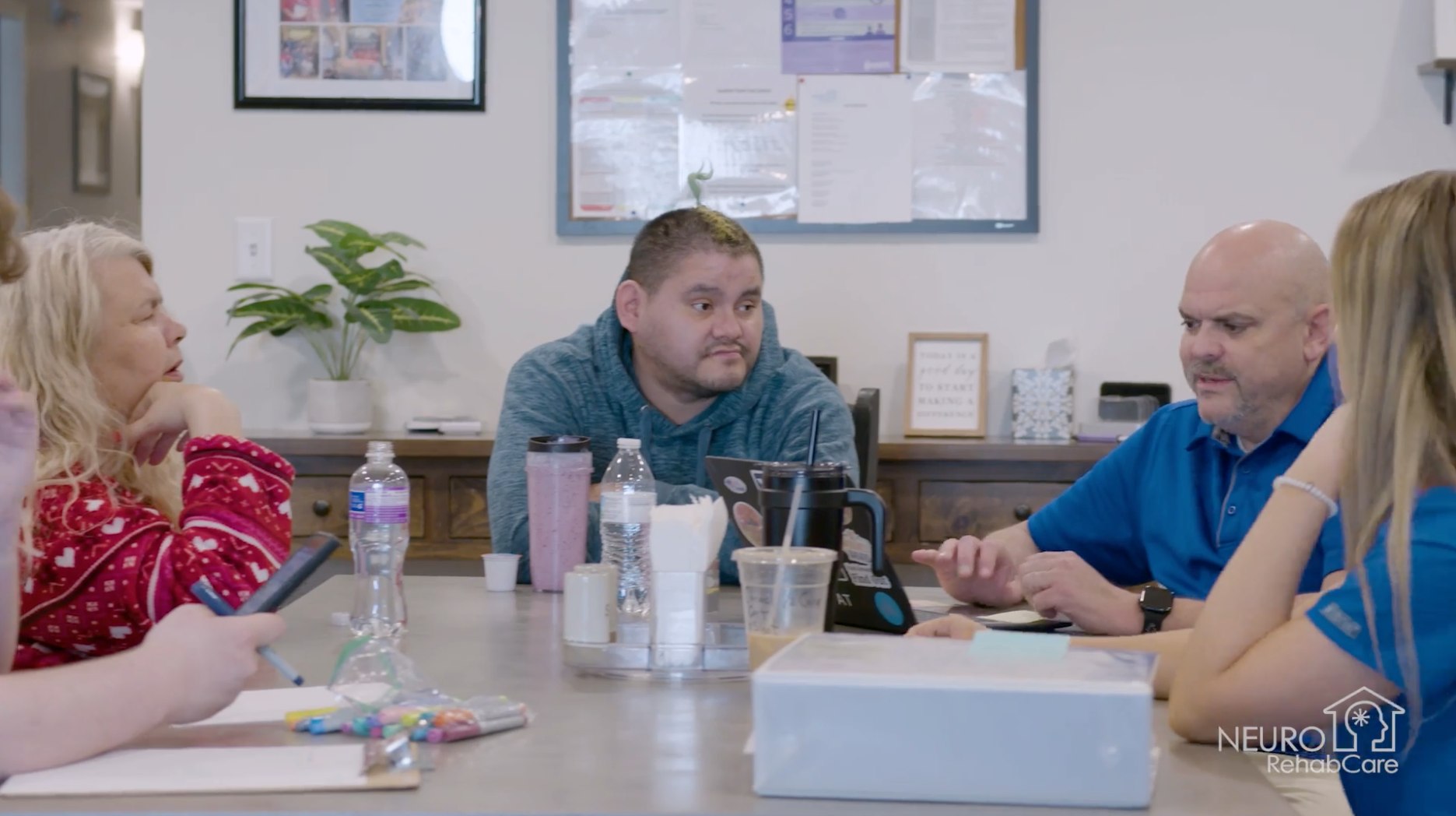
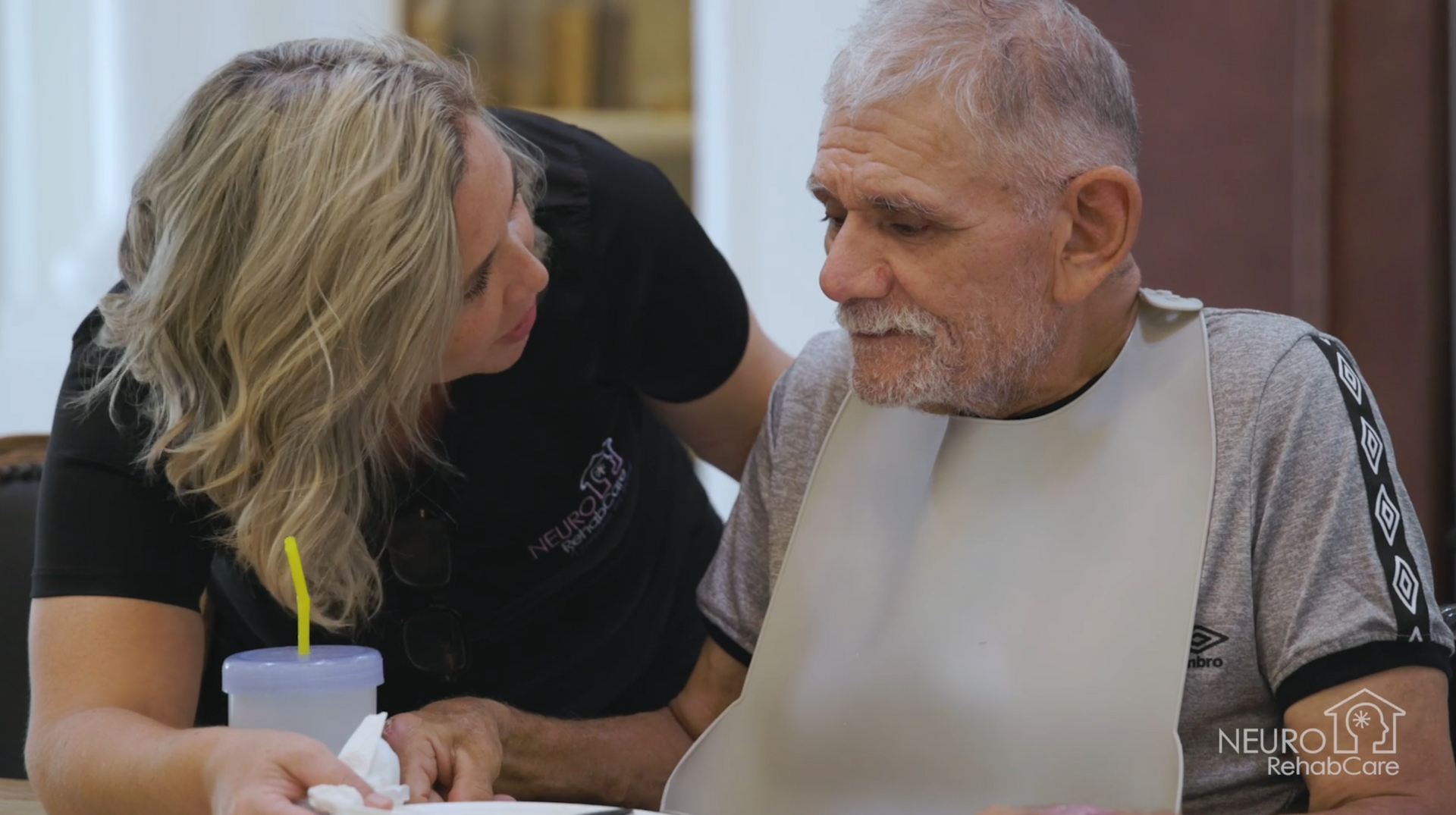
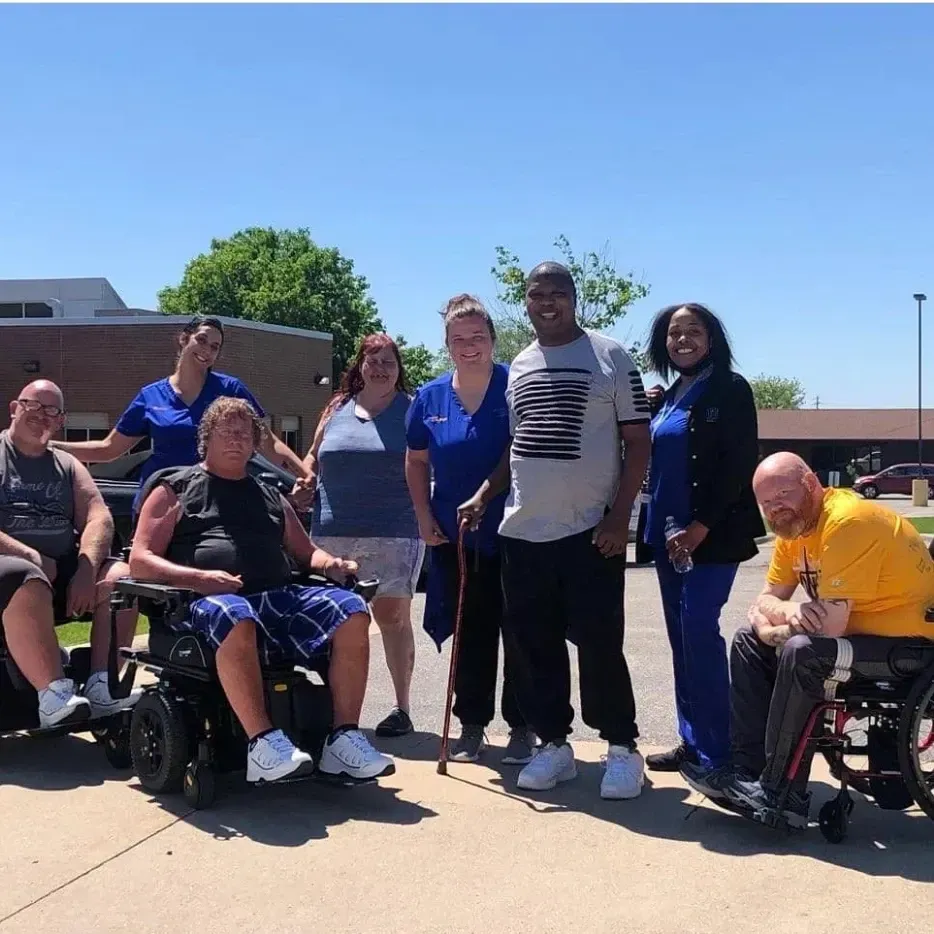
We have the honor of supporting remarkable individuals on their journey toward healing and independence. Each patient brings their own story, full of challenges, victories, and the unwavering courage to reclaim their lives. The experiences shared here reflect not only the strength of our patients but also the supportive community that surrounds them—family, friends, and the NEURO RehabCare team. These stories are a testament to the transformative power of neurorehabilitation and the vital role our comprehensive programs play in the recovery process.

Your Recovery Journey Starts Here!

Meet Our Heroes

Stories of Triumph and Transformation

At NEURO RehabCare, we’re dedicated to providing ongoing education to patients, families, and caregivers. Our articles offer valuable information on a wide range of topics, from brain injury recovery strategies to stroke rehabilitation therapy techniques. Explore these resources to stay informed about the latest developments in neurological rehabilitation and wellness. Our team of experts regularly updates these articles to provide tips, insights, and guidance to help families navigate the challenges of brain injury recovery and the rehabilitation process. Whether you need information on adjusting to life after a TBI, understanding neuroplasticity in stroke recovery, or learning about new approaches to spinal cord injury rehabilitation, our resources are here to guide you.
By Jimmy Moody May 29, 2026
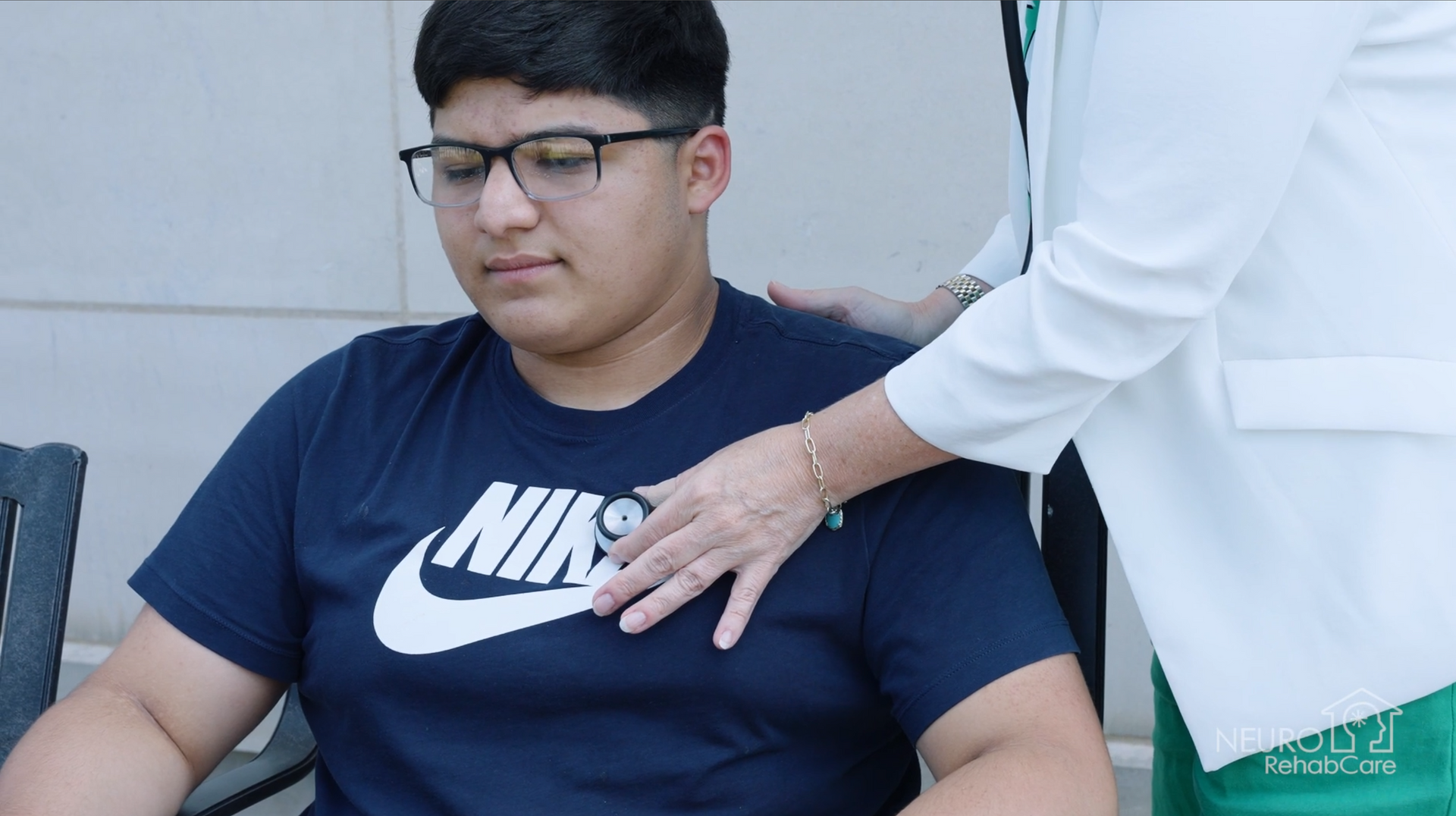
Choosing the right stroke recovery program in Des Moines, IA, means comparing therapy intensity, medical staffing, inpatient versus outpatient care, facility accreditation, and long-term support. Families should look for programs that offer personalized rehabilitation plans, experienced neurological specialists, caregiver education, and evidence-based therapies that support safe and effective brain recovery after stroke. Why Choosing the Right Stroke Recovery Program Matters Stroke recovery is rarely a one-size-fits-all process. Every stroke affects the brain differently, which means rehabilitation needs vary from patient to patient. Some individuals regain mobility within weeks, while others require months of therapy and structured support. Research from the American Stroke Association shows that nearly 75% of stroke survivors experience some form of long-term disability. Early and consistent rehabilitation significantly improves mobility, speech, balance, and independence. Families in Des Moines, IA, often feel overwhelmed when comparing rehabilitation options. Understanding the differences between programs helps patients receive care that matches their medical condition, recovery goals, and daily living needs. Should You Choose Inpatient or Outpatient Stroke Rehabilitation? One of the first decisions families face is whether inpatient or outpatient rehabilitation is the better fit. What Is Inpatient Stroke Rehabilitation? Inpatient rehabilitation provides 24-hour medical supervision in a hospital or specialized rehab facility. Patients stay on-site while receiving intensive therapy several hours each day. The best inpatient rehab for stroke patients near Des Moines, IA, typically includes: Neurologists and rehabilitation physicians Physical therapy Occupational therapy Speech-language therapy Nursing care is available around the clock Fall prevention monitoring Medication management Inpatient care is often recommended for: Severe mobility limitations Swallowing difficulties Cognitive impairments High fall risk Patients needing close medical supervision What Is Outpatient Stroke Rehabilitation? Outpatient therapy allows patients to live at home while attending scheduled therapy sessions during the week. Outpatient rehabilitation may work well for individuals who: Have stable medical conditions Can safely move around at home Have transportation support Need continued therapy after inpatient discharge Many stroke rehabilitation therapy and program providers offer outpatient services focused on strengthening, coordination, speech improvement, and daily task training. How Much Therapy Is Enough for Stroke Recovery? Therapy intensity plays a major role in recovery outcomes. Studies published by the National Institutes of Health suggest that higher therapy repetition improves neuroplasticity, which is the brain’s ability to create new neural pathways after injury. Programs offering structured daily rehabilitation often help patients improve: Walking ability Hand and arm coordination Balance Speech clarity Memory and cognition Independence with daily activities Signs of a Strong Rehabilitation Program Look for programs that provide:
By Jimmy Moody February 2, 2026
I spent 3 months in a hospital and rehab center in Houston, Texas after I had a work-related accident that left me with a severe traumatic brain injury (TBI). When I was well enough to return to Arizona, I arrived at Neuro RehabCare on March 4, 2025 and was getting physical therapy, occupational therapy, and speech the
A group of people posing for a picture including a man wearing a shirt that says champions
February 19, 2025
Dennis’s journey at NEURO RehabCare has been about more than just physical recovery; it’s been about finding a sense of belonging and support. After experiencing a spinal cord injury, Dennis faced numerous challenges, but his perseverance and the encouragement of the NEURO RehabCare community helped him regain...
A man in a wheelchair is holding a remote control.
February 19, 2025
Wesley’s recovery journey brought him face-to-face with many challenges, but he also discovered new ways to enjoy life. Through the dedicated support of his therapists and the NEURO RehabCare team, Wesley found ways to engage with the world around him. His story reflects the power of a positive outlook and a support system that encourages patients to embrace joy and purpose in every aspect of life. Wesley’s success demonstrates how neurorehabilitation programs can foster not just physical recovery, but also emotional and mental well-being.
A man is sitting in a wheelchair in a living room holding a piece of paper.
February 19, 2025
Bruce was a beloved member of the NEURO RehabCare family whose journey touched many lives. His courage, optimism, and dedication to recovery served as an inspiration to everyone around him. Although Bruce is no longer with us, his legacy lives on, reminding us daily of the profound impact each patient can have. His story is a testament to the human ability to adapt, rebuild, and thrive after a catastrophic injury. We honor his memory and celebrate the enduring strength he showed every step of the way.
A man in a wheelchair is stirring a pot on a stove.
February 19, 2025
Mark arrived at NEURO RehabCare with complex needs following a traumatic brain injury (TBI), but with dedication and support, he learned to adapt and regain confidence in daily activities. His journey has been filled with determination, and each milestone has brought new opportunities for independence. Mark’s story reminds us that brain injury recovery is a series of small victories, each one building toward a larger triumph. His success highlights the effectiveness of our personalized brain injury program in fostering independence and confidence.

Pastor Travis's Story

NEURO RehabCare of Scottsdale, AZ

Celebrating Every Step Forward

At NEURO RehabCare, each patient’s success story is a celebration of resilience, determination, and the belief that recovery is possible. 

These stories of our heroes inspire us all, reminding us why we do what we do and demonstrating the strength within each patient. We are honored to be a part of their journeys, witnessing every victory, big and small. Their recovery is a testament to the life-changing impact of our brain injury rehabilitation programs, TBI rehab, and Spinal Cord Injury Rehabilitation services.

Contact NEURO RehabCare

Share your story

We love hearing from our patients and families.

If you or a loved one has experienced transformation through NEURO RehabCare, we invite you to share your story. Together, we can inspire others to believe in the possibilities of recovery and create a community of hope & healing.

Contact Us

Stories of Strength, Resilience, and Recovery

Our Heroes

We have the honor of supporting remarkable individuals on their journey toward healing and independence. Each patient brings their own story, full of challenges, victories, and the unwavering courage to reclaim their lives. The experiences shared here reflect not only the strength of our patients but also the supportive community that surrounds them—family, friends, and the NEURO RehabCare team. These stories are a testament to the transformative power of neurorehabilitation and the vital role our comprehensive programs play in the recovery process.

Your Recovery Journey Starts Here!

Meet Our Heroes

Stories of Triumph and Transformation

At NEURO RehabCare, we’re dedicated to providing ongoing education to patients, families, and caregivers. Our articles offer valuable information on a wide range of topics, from brain injury recovery strategies to stroke rehabilitation therapy techniques. Explore these resources to stay informed about the latest developments in neurological rehabilitation and wellness. Our team of experts regularly updates these articles to provide tips, insights, and guidance to help families navigate the challenges of brain injury recovery and the rehabilitation process. Whether you need information on adjusting to life after a TBI, understanding neuroplasticity in stroke recovery, or learning about new approaches to spinal cord injury rehabilitation, our resources are here to guide you.
By Jimmy Moody May 29, 2026
Choosing the right stroke recovery program in Des Moines, IA, means comparing therapy intensity, medical staffing, inpatient versus outpatient care, facility accreditation, and long-term support. Families should look for programs that offer personalized rehabilitation plans, experienced neurological specialists, caregiver education, and evidence-based therapies that support safe and effective brain recovery after stroke. Why Choosing the Right Stroke Recovery Program Matters Stroke recovery is rarely a one-size-fits-all process. Every stroke affects the brain differently, which means rehabilitation needs vary from patient to patient. Some individuals regain mobility within weeks, while others require months of therapy and structured support. Research from the American Stroke Association shows that nearly 75% of stroke survivors experience some form of long-term disability. Early and consistent rehabilitation significantly improves mobility, speech, balance, and independence. Families in Des Moines, IA, often feel overwhelmed when comparing rehabilitation options. Understanding the differences between programs helps patients receive care that matches their medical condition, recovery goals, and daily living needs. Should You Choose Inpatient or Outpatient Stroke Rehabilitation? One of the first decisions families face is whether inpatient or outpatient rehabilitation is the better fit. What Is Inpatient Stroke Rehabilitation? Inpatient rehabilitation provides 24-hour medical supervision in a hospital or specialized rehab facility. Patients stay on-site while receiving intensive therapy several hours each day. The best inpatient rehab for stroke patients near Des Moines, IA, typically includes: Neurologists and rehabilitation physicians Physical therapy Occupational therapy Speech-language therapy Nursing care is available around the clock Fall prevention monitoring Medication management Inpatient care is often recommended for: Severe mobility limitations Swallowing difficulties Cognitive impairments High fall risk Patients needing close medical supervision What Is Outpatient Stroke Rehabilitation? Outpatient therapy allows patients to live at home while attending scheduled therapy sessions during the week. Outpatient rehabilitation may work well for individuals who: Have stable medical conditions Can safely move around at home Have transportation support Need continued therapy after inpatient discharge Many stroke rehabilitation therapy and program providers offer outpatient services focused on strengthening, coordination, speech improvement, and daily task training. How Much Therapy Is Enough for Stroke Recovery? Therapy intensity plays a major role in recovery outcomes. Studies published by the National Institutes of Health suggest that higher therapy repetition improves neuroplasticity, which is the brain’s ability to create new neural pathways after injury. Programs offering structured daily rehabilitation often help patients improve: Walking ability Hand and arm coordination Balance Speech clarity Memory and cognition Independence with daily activities Signs of a Strong Rehabilitation Program Look for programs that provide:
By Jimmy Moody February 2, 2026
I spent 3 months in a hospital and rehab center in Houston, Texas after I had a work-related accident that left me with a severe traumatic brain injury (TBI). When I was well enough to return to Arizona, I arrived at Neuro RehabCare on March 4, 2025 and was getting physical therapy, occupational therapy, and speech the
A group of people posing for a picture including a man wearing a shirt that says champions
February 19, 2025
Dennis’s journey at NEURO RehabCare has been about more than just physical recovery; it’s been about finding a sense of belonging and support. After experiencing a spinal cord injury, Dennis faced numerous challenges, but his perseverance and the encouragement of the NEURO RehabCare community helped him regain...
A man in a wheelchair is holding a remote control.
February 19, 2025
Wesley’s recovery journey brought him face-to-face with many challenges, but he also discovered new ways to enjoy life. Through the dedicated support of his therapists and the NEURO RehabCare team, Wesley found ways to engage with the world around him. His story reflects the power of a positive outlook and a support system that encourages patients to embrace joy and purpose in every aspect of life. Wesley’s success demonstrates how neurorehabilitation programs can foster not just physical recovery, but also emotional and mental well-being.
A man is sitting in a wheelchair in a living room holding a piece of paper.
February 19, 2025
Bruce was a beloved member of the NEURO RehabCare family whose journey touched many lives. His courage, optimism, and dedication to recovery served as an inspiration to everyone around him. Although Bruce is no longer with us, his legacy lives on, reminding us daily of the profound impact each patient can have. His story is a testament to the human ability to adapt, rebuild, and thrive after a catastrophic injury. We honor his memory and celebrate the enduring strength he showed every step of the way.
A man in a wheelchair is stirring a pot on a stove.
February 19, 2025
Mark arrived at NEURO RehabCare with complex needs following a traumatic brain injury (TBI), but with dedication and support, he learned to adapt and regain confidence in daily activities. His journey has been filled with determination, and each milestone has brought new opportunities for independence. Mark’s story reminds us that brain injury recovery is a series of small victories, each one building toward a larger triumph. His success highlights the effectiveness of our personalized brain injury program in fostering independence and confidence.
By Jimmy Moody May 29, 2026
Choosing the right stroke recovery program in Des Moines, IA, means comparing therapy intensity, medical staffing, inpatient versus outpatient care, facility accreditation, and long-term support. Families should look for programs that offer personalized rehabilitation plans, experienced neurological specialists, caregiver education, and evidence-based therapies that support safe and effective brain recovery after stroke. Why Choosing the Right Stroke Recovery Program Matters Stroke recovery is rarely a one-size-fits-all process. Every stroke affects the brain differently, which means rehabilitation needs vary from patient to patient. Some individuals regain mobility within weeks, while others require months of therapy and structured support. Research from the American Stroke Association shows that nearly 75% of stroke survivors experience some form of long-term disability. Early and consistent rehabilitation significantly improves mobility, speech, balance, and independence. Families in Des Moines, IA, often feel overwhelmed when comparing rehabilitation options. Understanding the differences between programs helps patients receive care that matches their medical condition, recovery goals, and daily living needs. Should You Choose Inpatient or Outpatient Stroke Rehabilitation? One of the first decisions families face is whether inpatient or outpatient rehabilitation is the better fit. What Is Inpatient Stroke Rehabilitation? Inpatient rehabilitation provides 24-hour medical supervision in a hospital or specialized rehab facility. Patients stay on-site while receiving intensive therapy several hours each day. The best inpatient rehab for stroke patients near Des Moines, IA, typically includes: Neurologists and rehabilitation physicians Physical therapy Occupational therapy Speech-language therapy Nursing care is available around the clock Fall prevention monitoring Medication management Inpatient care is often recommended for: Severe mobility limitations Swallowing difficulties Cognitive impairments High fall risk Patients needing close medical supervision What Is Outpatient Stroke Rehabilitation? Outpatient therapy allows patients to live at home while attending scheduled therapy sessions during the week. Outpatient rehabilitation may work well for individuals who: Have stable medical conditions Can safely move around at home Have transportation support Need continued therapy after inpatient discharge Many stroke rehabilitation therapy and program providers offer outpatient services focused on strengthening, coordination, speech improvement, and daily task training. How Much Therapy Is Enough for Stroke Recovery? Therapy intensity plays a major role in recovery outcomes. Studies published by the National Institutes of Health suggest that higher therapy repetition improves neuroplasticity, which is the brain’s ability to create new neural pathways after injury. Programs offering structured daily rehabilitation often help patients improve: Walking ability Hand and arm coordination Balance Speech clarity Memory and cognition Independence with daily activities Signs of a Strong Rehabilitation Program Look for programs that provide:
By Jimmy Moody February 2, 2026
I spent 3 months in a hospital and rehab center in Houston, Texas after I had a work-related accident that left me with a severe traumatic brain injury (TBI). When I was well enough to return to Arizona, I arrived at Neuro RehabCare on March 4, 2025 and was getting physical therapy, occupational therapy, and speech the
A group of people posing for a picture including a man wearing a shirt that says champions
February 19, 2025
Dennis’s journey at NEURO RehabCare has been about more than just physical recovery; it’s been about finding a sense of belonging and support. After experiencing a spinal cord injury, Dennis faced numerous challenges, but his perseverance and the encouragement of the NEURO RehabCare community helped him regain...
A man in a wheelchair is holding a remote control.
February 19, 2025
Wesley’s recovery journey brought him face-to-face with many challenges, but he also discovered new ways to enjoy life. Through the dedicated support of his therapists and the NEURO RehabCare team, Wesley found ways to engage with the world around him. His story reflects the power of a positive outlook and a support system that encourages patients to embrace joy and purpose in every aspect of life. Wesley’s success demonstrates how neurorehabilitation programs can foster not just physical recovery, but also emotional and mental well-being.
A man is sitting in a wheelchair in a living room holding a piece of paper.
February 19, 2025
Bruce was a beloved member of the NEURO RehabCare family whose journey touched many lives. His courage, optimism, and dedication to recovery served as an inspiration to everyone around him. Although Bruce is no longer with us, his legacy lives on, reminding us daily of the profound impact each patient can have. His story is a testament to the human ability to adapt, rebuild, and thrive after a catastrophic injury. We honor his memory and celebrate the enduring strength he showed every step of the way.
A man in a wheelchair is stirring a pot on a stove.
February 19, 2025
Mark arrived at NEURO RehabCare with complex needs following a traumatic brain injury (TBI), but with dedication and support, he learned to adapt and regain confidence in daily activities. His journey has been filled with determination, and each milestone has brought new opportunities for independence. Mark’s story reminds us that brain injury recovery is a series of small victories, each one building toward a larger triumph. His success highlights the effectiveness of our personalized brain injury program in fostering independence and confidence.

Pastor Travis's Story

NEURO RehabCare of Scottsdale, AZ

Celebrating Every Step Forward

At NEURO RehabCare, each patient’s success story is a celebration of resilience, determination, and the belief that recovery is possible. 

These stories of our heroes inspire us all, reminding us why we do what we do and demonstrating the strength within each patient. We are honored to be a part of their journeys, witnessing every victory, big and small. Their recovery is a testament to the life-changing impact of our brain injury rehabilitation programs, TBI rehab, and Spinal Cord Injury Rehabilitation services.

Contact NEURO RehabCare

Share Your Story

We love hearing from our patients and families.

If you or a loved one has experienced transformation through NEURO RehabCare, we invite you to share your story. Together, we can inspire others to believe in the possibilities of recovery and create a community of hope & healing.
Contact Us