When someone you love survives a brain injury, stroke, or spinal cord injury, choosing a neurological rehabilitation center in Kansas City, KS can feel overwhelming — often under time pressure, with medical jargon and no clear roadmap.
The quality of neurological rehabilitation Kansas City, KS families choose makes a real difference to long-term recovery. The right facility rebuilds independence, confidence, and quality of life in ways general hospital care cannot.
Here are seven questions to guide your search.
1. Does the Facility Specialize in Neurological Conditions?
Not all centers are the same. A general rehab facility handles orthopedic and cardiac cases alongside brain injuries. A specialized neurological rehabilitation center focuses its entire model around TBI, stroke, and spinal cord injury — therapists who understand how the injured brain heals and what environments support recovery. Look for dedicated programs covering TBI rehabilitation, stroke rehabilitation therapy, brain injury recovery, and spinal cord injury rehabilitation.
2. What Does the Interdisciplinary Team Look Like?
A quality neurological rehabilitation program in Kansas City should include a rehab physician, a rehab therapist for physical recovery, an occupational therapist, a speech-language pathologist, a neuropsychologist, and counselors for emotional care. Ask whether specialists are on staff full-time or consulting — daily access to the right professionals matters when recovery needs change quickly.
3. Is There Support for Cognitive and Behavioral Changes?
Post-injury challenges are often behavioral and cognitive — memory problems, impulsivity, and emotional swings can be just as disabling as physical limitations. A comprehensive rehabilitation center in Kansas City, KS should offer cognitive therapy for memory, attention, and executive function alongside a neurobehavioral program. For TBI and stroke recovery, these determine whether someone can safely return home.
4. What Does Day-to-Day Care Look Like?
For moderate to severe neurological injuries, 24/7 residential care is a clinical necessity. Staff reinforce memory strategies, support safe movement, assist with personal care, and respond to medical changes immediately. When evaluating rehab facilities in Kansas City, KS, ask about staff-to-patient ratios, behavioral management outside therapy, and how the facility structures the transition to supported living or home discharge.
5. How Does the Program Prepare for Community Life?
The real measure of neuro rehab care in Kansas City isn't gym performance — it's whether someone can manage a grocery run, keep a doctor's appointment, or prepare a meal. Community reintegration should begin early, not be tacked on at the end. Look for programs including return-to-work planning, vocational training, and family education as standard components.
6. What Role Does Family Play?
Family involvement consistently predicts better outcomes after neurological injury. The best neuro rehabilitation programs train family members to support recovery safely at home. Ask about care conferences, caregiver training, and whether families can observe therapy sessions. A facility that treats families as partners gives your loved one a stronger foundation for the road ahead.
7. How Do You Know a Facility Can Truly Help?
Many facilities accept neurological patients. Fewer deliver coordinated, individualized care. Ask for specific examples of outcomes with similar injuries and about accreditation — CARF-certified facilities meet internationally recognized standards. These details separate centers that specialize in brain injury rehabilitation from those that simply offer a bed.
Neurological Rehabilitation Kansas City, KS Families Can Rely On
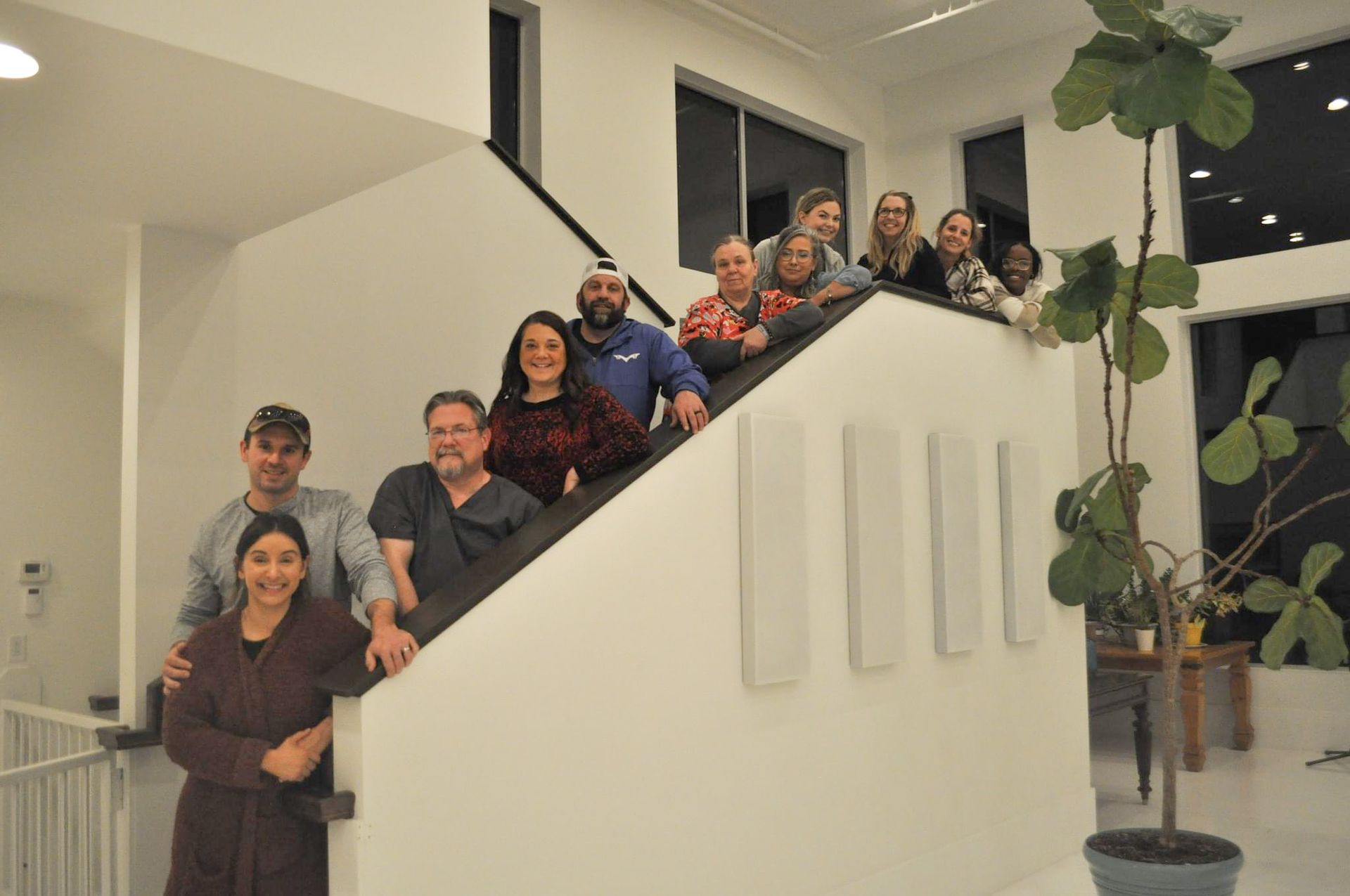
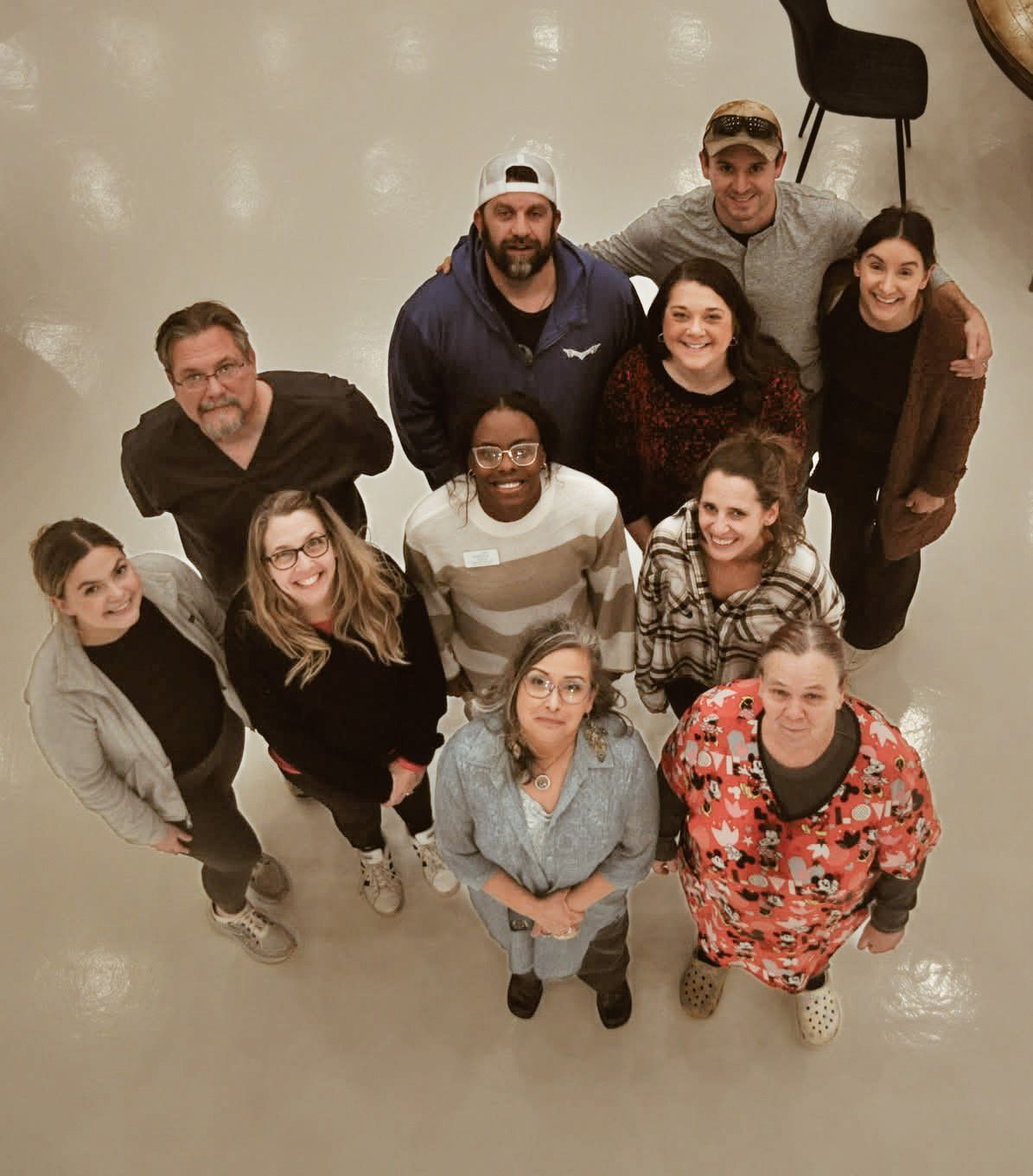
Neuro RehabCare Kansas City offers specialized neurological rehabilitation from a residential facility in Shawnee, KS — including neurorehabilitation, neurobehavioral care, 24/7 support, day treatment, supported living, and community transition services. The team includes rehabilitation physicians, neuropsychologists, physical therapists, occupational therapists, and speech-language pathologists. CARF Certified. Call (913) 333-1009 or visit www.neurorc.com/kansas-city to schedule a consultation.
Frequently Asked Questions
1. What does neurological rehabilitation Kansas City, KS include?
Physical therapy, occupational therapy, speech-language pathology, cognitive therapy, neuropsychological support, and community reintegration — coordinated by a multidisciplinary team around each patient's individual goals.
2. How do rehab facilities in Kansas City, KS differ from a hospital rehab unit?
Specialized rehab facilities in Kansas City, KS focus exclusively on neurological conditions like TBI, stroke, and spinal cord injury, designing every program around neurological recovery rather than generic post-surgical protocols.
3. What does a rehab physician in Kansas City, KS do during recovery?
A physiatrist manages neurological symptoms, adjusts medications, coordinates the therapy team, and monitors for complications like seizures or spasticity — with the entire focus on maximizing function.
4. How long does stroke rehabilitation Kansas City, KS typically take?
Timelines vary by stroke severity, brain areas affected, age, and how quickly intensive rehabilitation started. Mild strokes may need weeks; severe strokes may require months across residential, day treatment, and outpatient stages.
5. What is TBI rehab care in Kansas City and who needs it?
Specialized rehabilitation for traumatic brain injury survivors. Residential TBI rehabcare suits those needing round-the-clock support, behavioral management, or a structured environment to safely practice rehabilitation skills.
6. Does insurance cover spinal cord injury rehabilitation in Kansas City, KS?
Most major health plans, Medicare, Medicaid, and workers' compensation cover medically necessary spinal cord injury rehabilitation. Neuro RehabCare Kansas City can help verify coverage and navigate authorization.
7. What is a brain injury program in Kansas City?
A structured clinical program combining physician oversight, individualized physical, occupational, speech, and cognitive therapy, behavioral support, and community reintegration planning at varying intensity levels.
8. What should a rehab therapist in Kansas City, KS focus on for stroke recovery?
The full recovery picture — relearning walking, using a weakened arm, rebuilding memory, managing swallowing, and regaining daily independence. Stroke rehabilitation therapy must be individualized to each patient.
9. When is neuro rehabilitation in Kansas City right after spinal cord injury?
Once medically stabilized — focusing on maximizing residual function, preventing complications, training with assistive devices, and building independence for home return or transition to supported living.
10. How do families choose the right neuro rehab care center in Kansas City?
Prioritize neurological specialization, a full interdisciplinary team, cognitive and behavioral programs, 24/7 residential support, and built-in community reintegration. Tour the facility and confirm CARF accreditation.