Brian Meacham's Story
Jimmy Moody • February 2, 2026
Brian Meacham's Story
Jimmy Moody • February 2, 2026

Brian Meacham's Story

I spent 3 months in a hospital and rehab center in Houston, Texas after I had a work-related accident that left me with a severe traumatic brain injury (TBI). When I was well enough to return to Arizona, I arrived at Neuro RehabCare on March 4, 2025 and was getting physical therapy, occupational therapy, and speech therapy to improve my strength, endurance, balance, and cognition. 


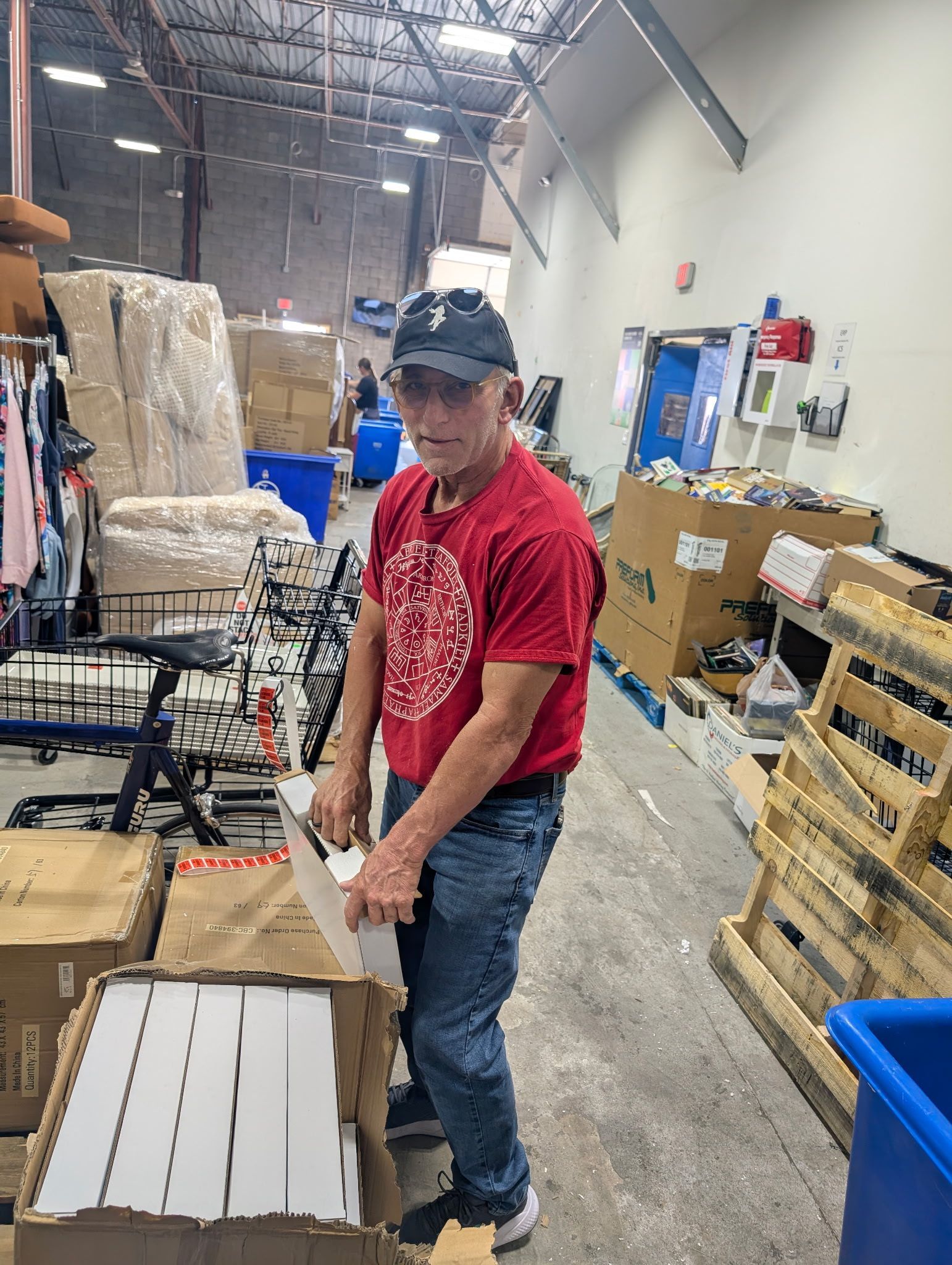
My physical abilities and my memory, attention, and word-finding skills have gotten much better during my time at NRC, and I will be discharging at the end of September. I also worked with the neuropsychologist to practice memory tools and manage my mood and attitude during the recovery process. I participated in two volunteer programs to help me get back into the community and practice working with people. 


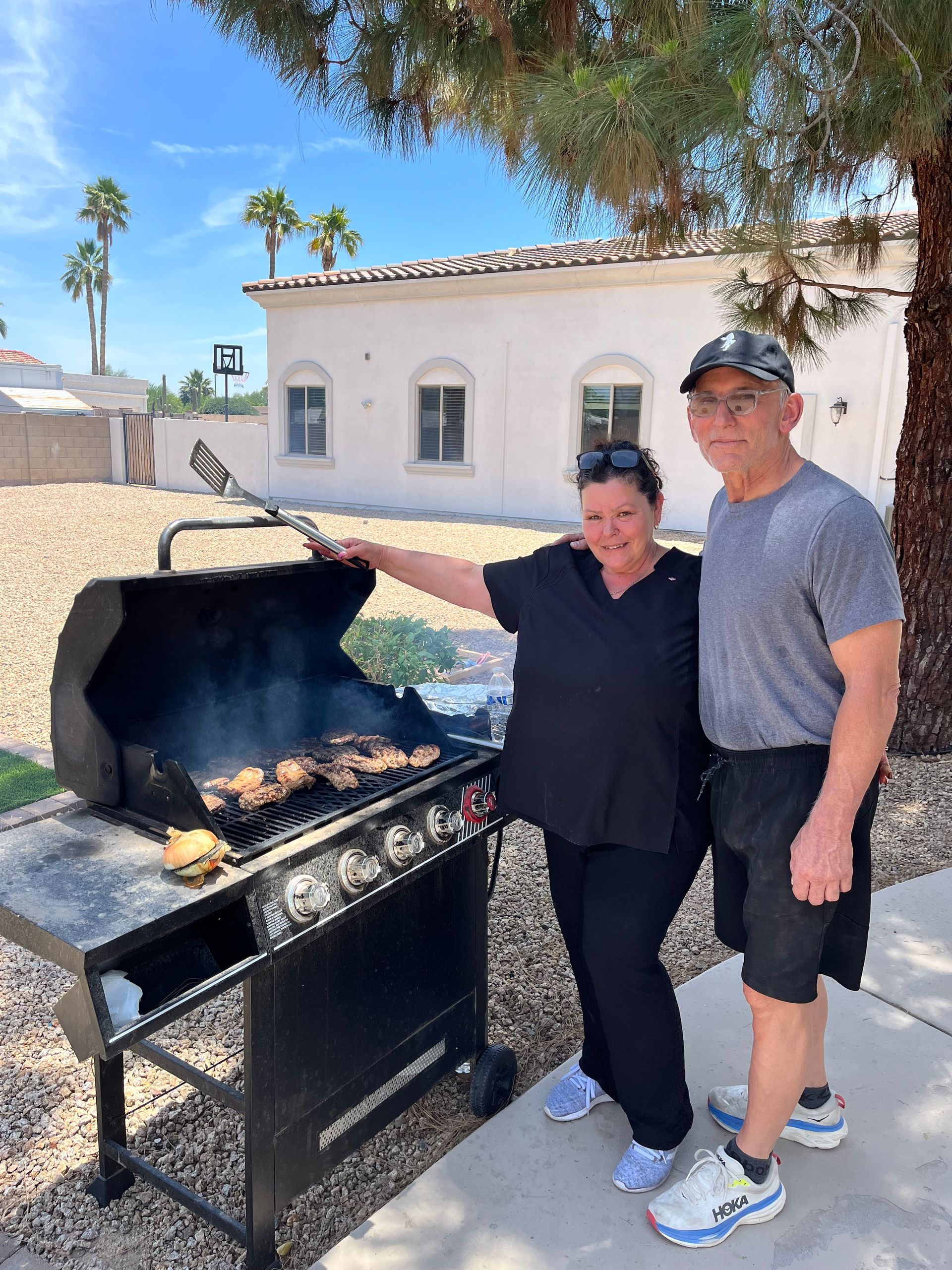
After I leave NRC, I will be living in a 55+ community and am excited to get involved in some of the activities they offer and meet new people. I am looking forward to getting back to doing things that I enjoyed before my accident like camping, fishing, and hiking. I will also be going to outpatient therapy to continue working on returning to driving again and maybe even work. I will really miss everyone who helped me at NRC and appreciate all of their help. I am excited for the future and would give NRC 10/10 stars!


Family Review:

To the Incredible Team at Neuro RehabCare of Scottsdale,


On behalf of our entire family, we want to extend our deepest thanks for the outstanding care and support you provided to our brother, Brian Meacham, during his recovery from a traumatic brain injury.


The path following a TBI is never easy, especially when receiving care more than 2,000 miles from home. But from the moment Brian arrived at your facility, we felt reassured knowing he was in compassionate, capable hands. Your team took the time to listen to our concerns, understand his needs, and involve us in his journey every step of the way.


We are especially grateful to the multidisciplinary team—nurses, therapists, and support staff—whose skill, dedication, and empathy were instrumental in Brian’s remarkable progress. The physical, occupational, and speech therapists worked tirelessly, not only helping him regain function but also instilling hope and motivation.


Special thanks as well to the recreational therapists and case managers who saw Brian as more than just a patient. Your efforts to connect with his personality and interests made a significant impact on his emotional and mental well-being, and your collaborative approach to his cognitive and behavioral challenges truly stood out.


Watching Brian grow stronger and more independent during his time with you was nothing short of inspiring. Your care has changed his life—and ours.


For families navigating the difficult journey of TBI recovery, we can’t recommend Neuro RehabCare of Scottsdale enough. Thank you for your extraordinary work, your compassion, and the peace of mind you gave our family during such a challenging time.


With heartfelt appreciation,

On behalf of the Meacham Family
By Jimmy Moody May 29, 2026
Choosing the right stroke recovery program in Des Moines, IA, means comparing therapy intensity, medical staffing, inpatient versus outpatient care, facility accreditation, and long-term support. Families should look for programs that offer personalized rehabilitation plans, experienced neurological specialists, caregiver education, and evidence-based therapies that support safe and effective brain recovery after stroke. Why Choosing the Right Stroke Recovery Program Matters Stroke recovery is rarely a one-size-fits-all process. Every stroke affects the brain differently, which means rehabilitation needs vary from patient to patient. Some individuals regain mobility within weeks, while others require months of therapy and structured support. Research from the American Stroke Association shows that nearly 75% of stroke survivors experience some form of long-term disability. Early and consistent rehabilitation significantly improves mobility, speech, balance, and independence. Families in Des Moines, IA, often feel overwhelmed when comparing rehabilitation options. Understanding the differences between programs helps patients receive care that matches their medical condition, recovery goals, and daily living needs. Should You Choose Inpatient or Outpatient Stroke Rehabilitation? One of the first decisions families face is whether inpatient or outpatient rehabilitation is the better fit. What Is Inpatient Stroke Rehabilitation? Inpatient rehabilitation provides 24-hour medical supervision in a hospital or specialized rehab facility. Patients stay on-site while receiving intensive therapy several hours each day. The best inpatient rehab for stroke patients near Des Moines, IA, typically includes: Neurologists and rehabilitation physicians Physical therapy Occupational therapy Speech-language therapy Nursing care is available around the clock Fall prevention monitoring Medication management Inpatient care is often recommended for: Severe mobility limitations Swallowing difficulties Cognitive impairments High fall risk Patients needing close medical supervision What Is Outpatient Stroke Rehabilitation? Outpatient therapy allows patients to live at home while attending scheduled therapy sessions during the week. Outpatient rehabilitation may work well for individuals who: Have stable medical conditions Can safely move around at home Have transportation support Need continued therapy after inpatient discharge Many stroke rehabilitation therapy and program providers offer outpatient services focused on strengthening, coordination, speech improvement, and daily task training. How Much Therapy Is Enough for Stroke Recovery? Therapy intensity plays a major role in recovery outcomes. Studies published by the National Institutes of Health suggest that higher therapy repetition improves neuroplasticity, which is the brain’s ability to create new neural pathways after injury. Programs offering structured daily rehabilitation often help patients improve: Walking ability Hand and arm coordination Balance Speech clarity Memory and cognition Independence with daily activities Signs of a Strong Rehabilitation Program Look for programs that provide:
A group of people posing for a picture including a man wearing a shirt that says champions
February 19, 2025
Dennis’s journey at NEURO RehabCare has been about more than just physical recovery; it’s been about finding a sense of belonging and support. After experiencing a spinal cord injury, Dennis faced numerous challenges, but his perseverance and the encouragement of the NEURO RehabCare community helped him regain...
A man in a wheelchair is holding a remote control.
February 19, 2025
Wesley’s recovery journey brought him face-to-face with many challenges, but he also discovered new ways to enjoy life. Through the dedicated support of his therapists and the NEURO RehabCare team, Wesley found ways to engage with the world around him. His story reflects the power of a positive outlook and a support system that encourages patients to embrace joy and purpose in every aspect of life. Wesley’s success demonstrates how neurorehabilitation programs can foster not just physical recovery, but also emotional and mental well-being.